NEW
✨ Health insurance, now in PayFit - learn more
LATEST
💷 All the rates & thresholds you need to know for 25/26...right here
WEBINAR
✨ The Payroll Journey: Start, Scale & Succeed Globally - learn more
✨ Health insurance, now in PayFit - learn more
💷 All the rates & thresholds you need to know for 25/26...right here
✨ The Payroll Journey: Start, Scale & Succeed Globally - learn more


The rules and best practice around sick leave and pay can seem complex, but the fundamentals are straightforward if you have the right processes in place:
Managing people is the hardest part of running a business. Your team is your greatest asset, but they also face human challenges. Sickness is an inevitable part of working life that, of course, affects every growing UK business.
The challenge for Human Resources and Finance leaders is a delicate balancing act. You must support your team during vulnerable moments, yet you must also protect the commercial interests of your company.
You need to understand the rigid framework of statutory legislation. But more importantly, you need a robust strategy for leave and absence management. Getting the pay right is about compliance, getting the management right is about culture.
This article outlines the essentials of sickness pay, before diving deeper into how you can manage absences effectively, in order to protect both your bottom line and your team.
Sickness pay is the money paid to an employee when they cannot work due to illness. While many firms offer enhanced Occupational Sick Pay (OSP) as part of their employee benefits package, Statutory Sick Pay (SSP) is the mandatory baseline.
The government sets the limit, which typically updates every April. For the 2025/26 tax year, the weekly rate is £118.75. This is payable for a maximum number of 28 weeks. It is processed through payroll like normal wages, subject to tax and National Insurance.
To be eligible, an employee must earn at least the Lower Earnings Limit, currently an average £123 per week, and have done at least some work under their contract.
SSP is paid for ‘qualifying days’ (normal working days), but strictly defined rules apply:
Waiting days: The first three qualifying days of a period of sickness are unpaid. For example, if a staff member who works Monday to Friday falls ill on Monday, payment only starts on Thursday. However, under the Employment Rights Bill, the government is likely, in April 2026, to abolish both waiting days and the Lower Earnings Limit, making SSP a day one right for all employees, no matter how much they earn.
Linked periods: If an employee falls ill again within 8 weeks, the periods of sickness are linked, meaning the waiting days are bypassed, and they are able to claim immediately.
If staff are not entitled to SSP, you must give them a SSP1 form immediately. This allows them to seek other support, such as Universal Credit.
UK statutory employment rights guide
Ensuring employees are paid correctly for sickness leave is an essential administrative task. However, the way you manage the absence itself is just as critical. In fact, good leave and absence management is all about culture, productivity, and well-being.
If you treat absence purely as a payroll task, you’re missing the bigger picture. High absence rates are often a symptom of deeper organisational issues.
The direct cost of SSP is just the tip of the iceberg. The indirect costs are often higher. When a key person is away, projects stall. Other team members might have to pick up the slack, leading to burnout. And client relationships may also suffer.
To recognise and mitigate such problems, you need good day-to-day leave and absence data. If you rely on emails or memory, you will easily miss the patterns, trends, and emerging criticalities.
Data allows you to ask the right questions:
Is there a spike in sickness every Friday or Monday? This might suggest a motivation issue, rather than a medical one.
Is one specific department suffering more than others? This could indicate a management conflict or excessive workload.
Are people taking frequent short breaks? This is often more disruptive than one long illness or annual leave.
You can use the Bradford Factor to score these absences. This simple formula weighs frequency higher than duration, helping you identify short-term absenteeism that needs intervention.
One of the most powerful tools in your arsenal is the return-to-work interview. This should happen after every absence, no matter how short.
This is not a test or an interrogation, but rather a simple check-in. It’s a supportive conversation held on the day an employee returns, which shows you care.
It also acts as a deterrent for non-genuine absences. If an employee knows they must sit down with their manager and explain their absence, they will be less likely to throw a casual sickie.
During this chat, you might uncover that the ‘stomach bug’ was actually stress-related. This gives you a chance to help them out, before they get to the stage of resigning, or going on long-term leave.
Long-term sickness, usually four weeks or more, demands a more delicate, structured approach. The goal is a successful return, not just compliance.
Stay in touch: Isolation makes returning harder. Agree on a communication schedule to maintain contact and connection.
Seek medical advice: Request a fit note. It might say they ‘may be fit for work’ with some organisational or workplace adjustments.
Reasonable adjustments: Could they gradually return in a series of phases? Could they work from home, or at a site nearer to their home? Would job sharing ease some pressure?
Review the employment contract: Check if your insurance policies cover income protection or private medical support.
Illness does not pause holiday accrual. Statutory annual leave continues to build up while an employee is off sick. This protects the employee, even though it creates a liability for the employer.
An employee can also use their holiday entitlement during sickness in order to get full pay. Conversely, if they fall ill during a holiday and provide evidence, they can claim those days back as sick leave.
Managing these overlapping entitlements requires precise record-keeping. For example, you do not want to accidentally pay holiday pay and SSP for the same day.
A guide for businesses
The post-Covid world has changed how we view health. ‘Powering through’ is no longer a badge of honour.
Discourage presenteeism: A sick employee in the office (or on Zoom) is unproductive and will spread germs. Send them to bed. It will save you money in the long run.
Clear policies: Ensure everyone knows the drill. Who do they call? When is a self-certificate needed? Transparency prevents disputes. Everything needs to be in the employee handbook.
Proactive support: Implement an Employee Assistance Programme (EAP). Offering counselling or financial advice can prevent stress-related absence from developing into a crisis.
Automate compliance: Use good payroll and HR software to track linked periods and eligibility. Don’t rely on manually filling out spreadsheets.
By professionalising leave and absence management, you build a resilient and motivated workforce. You turn a drain on resources into an opportunity to demonstrate your duty of care.
Managing sickness is part of the social contract of employment. You pay them when they are down. They work hard when they are up. By using smart absence management tools, you will ensure this relationship remains fair, transparent, and compliant.

Generally, no. The Percentage Threshold Scheme, which used to allow small employers to reclaim high SSP costs, was scrapped several years ago. While there was a temporary rebate scheme during the height of the Covid pandemic, this has also ended. Today, unless the business is insolvent, the employer must bear the full cost of SSP, so you must factor this potential liability into your financial planning and cash flow forecasts.
If the bank holiday is a normal working day for that employee, and they are off sick, they may be entitled to SSP for that day if they qualify. However, you cannot pay them both SSP and normal holiday pay for the same day. Usually, the day is treated as a sickness day, meaning they get their statutory holiday entitlement back to use at a later date.
Yes, often they do. The type of contract (zero-hours, agency, or fixed-term) does not automatically disqualify someone. If they have done work for you and earned an average of at least £123 per week, calculated over the relevant eight-week period prior to illness, they are likely eligible. You must check their earnings history carefully, rather than just assuming they are ineligible. This is a key function of a reliable software for running payroll.
Employees can self-certify their illness for the first 7 days, meaning they do not need medical proof. They can simply confirm their illness in writing, or via an internal form. From the eighth day onwards, you have the right to ask for a ‘fit note’, or, more formally, a Statement of Fitness for Work, from a doctor, nurse, pharmacist, or physiotherapist.
This is possible, but it is a complex legal area that requires extreme caution. You can dismiss an employee on the grounds of ‘capability’ if their health prevents them from doing their job. However, you must follow a fair and lengthy procedure first. This includes medical investigations, consultation, and considering reasonable adjustments, especially if they have a disability. If you rush to dismissal without following these structured steps, you risk losing an unfair dismissal or discrimination claim at a tribunal.

Understand UK Statutory Maternity Pay with our comprehensive guide to help growing businesses navigate SMP eligibility, rates, calculations, & HMRC claims.

Discover everything businesses need to know about UK maternity leave & pay in 2026, including statutory rates, eligibility, redundancy protection, KIT days.
Maternity leave is a statutory right in the UK for all female employees who are expecting or have had a child. Discover the specifics here.

A complete guide for UK employers on zero hours contract holiday pay, including 2026 updates, calculation methods, and statutory rights for irregular workers.

A complete guide for UK employers on rolled-up holiday pay for 2026 and beyond. Learn about irregular hours, 12.07% calculations, and HMRC compliance.

Discover the confirmed, official UK bank holiday dates for 2026, 2027 & 2028, regional differences, employer obligations, and holiday entitlement rules.
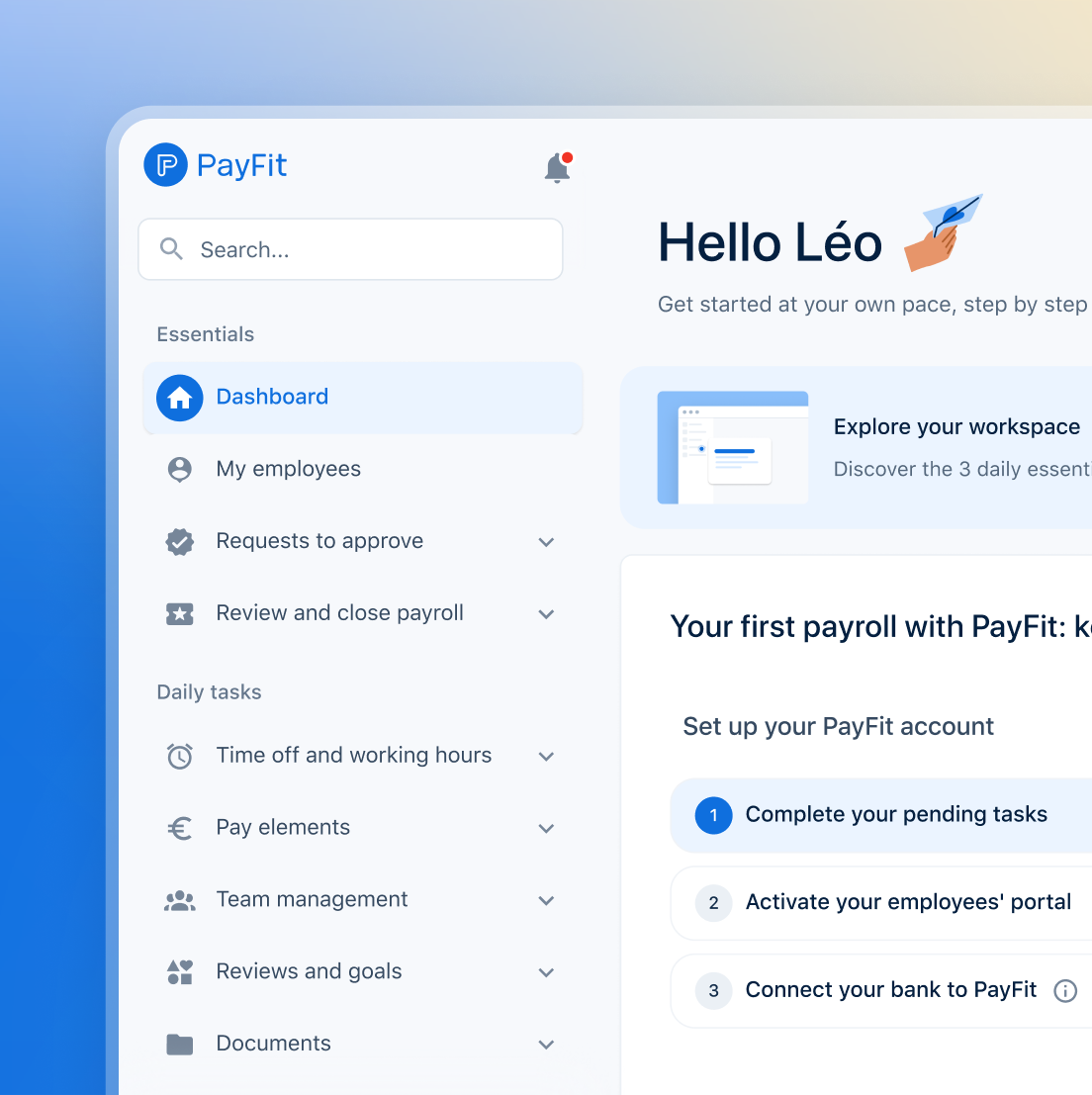
See what's new in PayFit
New features to save you time and give you back control. Watch now to see what's possible